Introduction
Communication is not just between people and animals; it happens at the tiniest level inside every living thing in the interesting field of biology. Cells are always sending and receiving information to stay in balance, react to outside stimuli, and stay alive. Researchers use cell signaling technology, a sophisticated scientific method, to figure out how cells talk to each other in this complicated communication system.
Signaling pathways are important for almost every biological process, from healing wounds to battling infections. Over the years, progress in this area has changed the way medicine, biotechnology, and drug development are done. Scientists can now follow cellular impulses in real time, which could lead to amazing new discoveries.
This article gives a full, simple-to-understand look at how cell signaling technology works, why it matters, and how it will change the future of research and healthcare.
What does cell signaling mean?
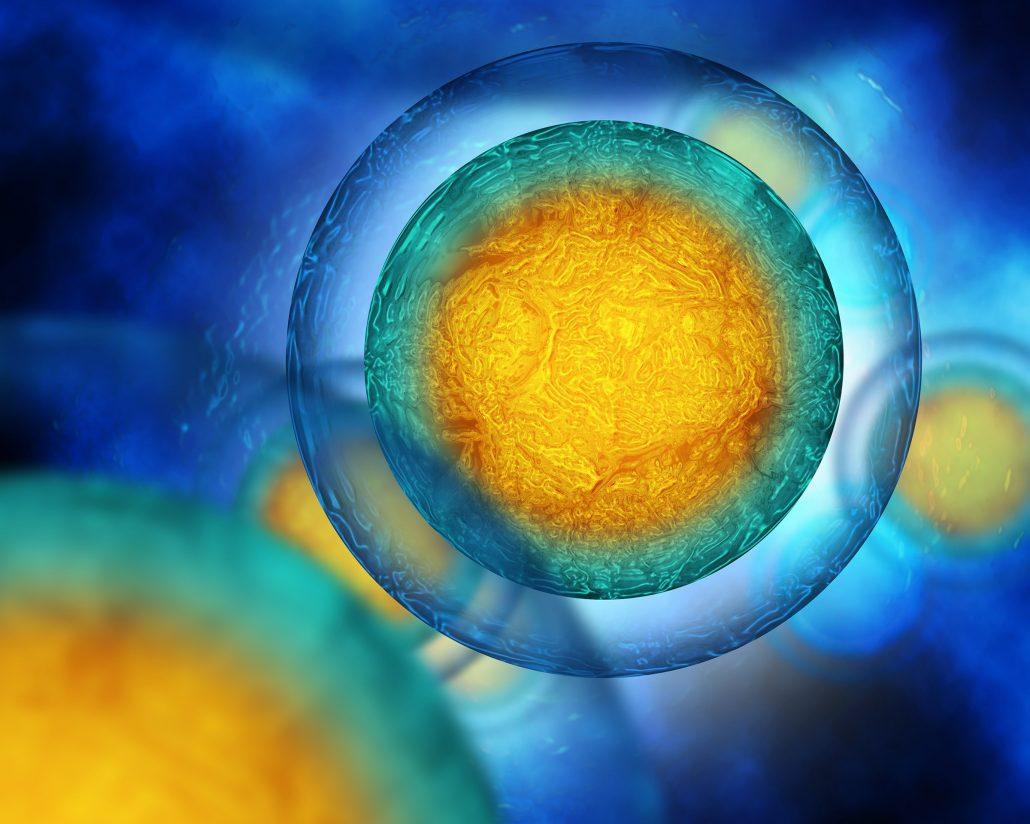
Cell signaling is the way that cells talk to each other utilizing chemicals. Cells use these signals to make choices, adjust to new situations, and work together.
Think of a mobile network where people can send, get, and respond to messages. Cells work in a similar way, and scientists may examine this communication mechanism in depth with cell signaling technology.
Main idea:
Cells can’t work right if they don’t talk to each other all the time.
Why Cell Signaling Matters
Cell signaling is necessary for life to continue. The body would lose coordination without it, which would cause serious health problems.
Important positions:
- Control of growth: Signals tell cells when to divide and when to stop dividing.
- Immune defense: Helps the body find and fight off infections.
- Tissue repair: Tells cells how to heal wounds and grow new tissues.
- Regulation of metabolism: Controls how cells use energy.
Scientists use modern cell signaling technology to learn more about these processes and figure out what goes wrong in illnesses.
How Cell Signaling Functions
There is a set way that cell signaling works that makes sure communication is clear.
Step 1: Getting the signal
A signaling molecule, sometimes called a ligand, attaches to a receptor on the surface of a cell.
This interaction works as a “lock and key” to make sure that it is specific.
Step 2: Sending signals
The receptor starts a chain reaction inside the cell once it is turned on.
Proteins pass the signal on in steps, making it stronger.
Step 3: The cell responds
The cell reacts by modifying how genes are expressed or making proteins.
This response tells the cell what to do.
cell signaling technology lets scientists see each phase in great detail.
Different kinds of cell signaling
Cells can talk to each other in different ways depending on how far apart they are and what they do.
1. Signaling from within
Cells convey messages to each other.
This is something that cancer cells often do to help themselves proliferate.
2. Signaling Between Cells
Nearby cells get signals.
This is vital for healing tissue and reducing inflammation.
3. Signaling in the Endocrine System
Hormones move via the blood to cells that are far away.
Adrenaline and insulin are two examples.
4. Signaling via Juxtacrine
Cells talk to one other by touching each other.
This is very important for growth and immunological responses.
cell signaling technology instruments are used to study each type in depth.
Important Cell Signaling Pathways
Researchers can figure out how cells act in different situations by looking at signaling pathways.
Pathway for MAPK/ERK
Regulates the growth and division of cells.
Unusual activities can cause cancer.
Pathway of PI3K/AKT
Helps cells stay alive and metabolize.
Frequently associated with tumor advancement.
Pathway for JAK/STAT
Important for how the immune system works.
Crucial in inflammation and infection.
The Wnt Signaling Pathway
Controls how cells grow and change into different types.
Necessary for the development of embryos.
cell signaling technology focuses on studying these pathways.
Methods and Tools Used
Scientists use high-tech techniques to learn about how cells talk to one other.
A well-known company in this industry is Cell Signaling Technology, which makes high-quality antibodies and research tools.
Some common tools:
- Western Blotting: Finds certain proteins in a sample.
- ELISA: Quantitatively measures the amount of protein.
- Flow cytometry: Looks at the characteristics of cells and how they send signals.
- Microscopy: Shows signaling events as they happen.
- Mass Spectrometry: Finds changes and interactions between proteins.
These technologies make cell signaling technology very useful for research today.
Uses in Medicine
One of the best things about cell signaling technology is how it affects healthcare.
1. Research on Cancer
Cancer happens when signaling pathways don’t work right.
Studying these pathways helps scientists make medicines that work on specific problems.
2. Making drugs
Drugs are made to stop or start certain signals.
This makes treatment more accurate and lowers the chance of negative effects.
3. Medicine that is tailored to you
Treatments are tailored according to unique signaling patterns.
This makes therapy more likely to work.
4. Immunotherapy
Changes signaling pathways to make the immune system stronger.
Commonly utilized in today’s cancer treatments.
Table: Parts of Cell Signaling
| Part | Function | Example |
|---|---|---|
| Ligand | Sends a signal | Hormones, growth factors |
| Receptor | Gets the signal | Proteins in the membrane |
| Transducer | Transfers signal | Kinases |
| Effector | Makes a response | Genes and enzymes |
This table explains how cell signaling technology helps scientists look at each part in a useful way.
Benefits of Cell Signaling Technology
Improvements in this area have made biological research work faster.
Main benefits:
- Very accurate: It can even find minor changes in molecules.
- Speed: Gives you findings from experiments quickly.
- Understanding disease: Helps find the real causes of diseases.
- Innovation support: Helps make novel treatments possible.
cell signaling technology is used in research labs all around the world because of these benefits.
Problems in Cell Signaling Research
Researchers encounter several problems, even though it is important.
Some common problems are:
- Complex networks: Pathways are very coupled.
- Dynamic nature: Signals change quickly over time.
- Cost: High-tech tools can be pricey.
- Interpreting data: You need to be an expert to look at the outcomes.
Even with enhanced cell signaling technology, it is still important to be careful when doing experiments.
Example from the Real World
Think about a person who has been told they have cancer. Doctors can learn about the condition by looking at aberrant signaling pathways.
They can use cell signaling technology to:
- Find broken pathways
- Choose medications that are right for you
- Keep an eye on how the treatment is going
This method makes treatment more accurate and effective.
What’s next
The future of this field looks quite bright.
New ideas are coming up:
- AI-based analysis: Makes it easier to understand data.
- Single-cell research: Look at how individual cells act.
- Live-cell imaging: Keeps track of signals as they happen.
- Genomics integration: Combines information about genes and signals.
These improvements will make cell signaling technology even better.
What is the technology behind cell signaling?
Cell signaling technology is the scientific tools and procedures used to learn about how cells talk to each other using chemical signals and pathways.
How do cells talk to each other?
Cells talk to each other by delivering chemical signals that attach to receptors. This starts internal responses that determine how cells act.
Questions and Answers
1. What makes cell signaling so important?
It regulates vital functions such as growth, immunity, and healing, guaranteeing optimal bodily operation.
2. What happens when cell signaling doesn’t work?
It can cause diseases like diabetes, cancer, and autoimmune problems.
3. How do researchers look at cell signaling?
They use instruments including ELISA, microscopy, and protein analysis.
4. Is cell signaling a part of making drugs?
Yes, a lot of medications work by targeting specific signaling pathways to treat disorders.
5. What will cell signaling technology look like in the future?
It has AI integration, real-time analysis, and personalized medicine methods.
Conclusion
Cell communication is the basis of life, and learning about it has changed modern science. cell signaling technology lets scientists look at complicated biological systems in great detail by using new tools and research methods.
Its uses are many and rising, from finding diseases to making therapies that save lives. This field will have an even bigger impact on the future of medicine and biotechnology as new ideas come forward.
In short, mastering cell signaling means figuring out the secrets of life itself. The journey has only just begun.

