Introduction
Healthcare is not just about doctors, hospitals, or medicines—it’s also about access. For millions of people, especially seniors, patients with chronic illnesses, and those living in rural areas, reaching a healthcare facility can be a real challenge. This is where innovative solutions like Uber have stepped into the healthcare ecosystem with a dedicated service designed to bridge the gap.
In recent years, uber health has emerged as a powerful tool that connects patients to care through reliable transportation. But it’s more than just rides—it’s a complete healthcare logistics solution that helps providers ensure patients never miss appointments.
Let’s explore how this service works, why it matters, and how it is reshaping healthcare access globally.
What Is Uber Health?
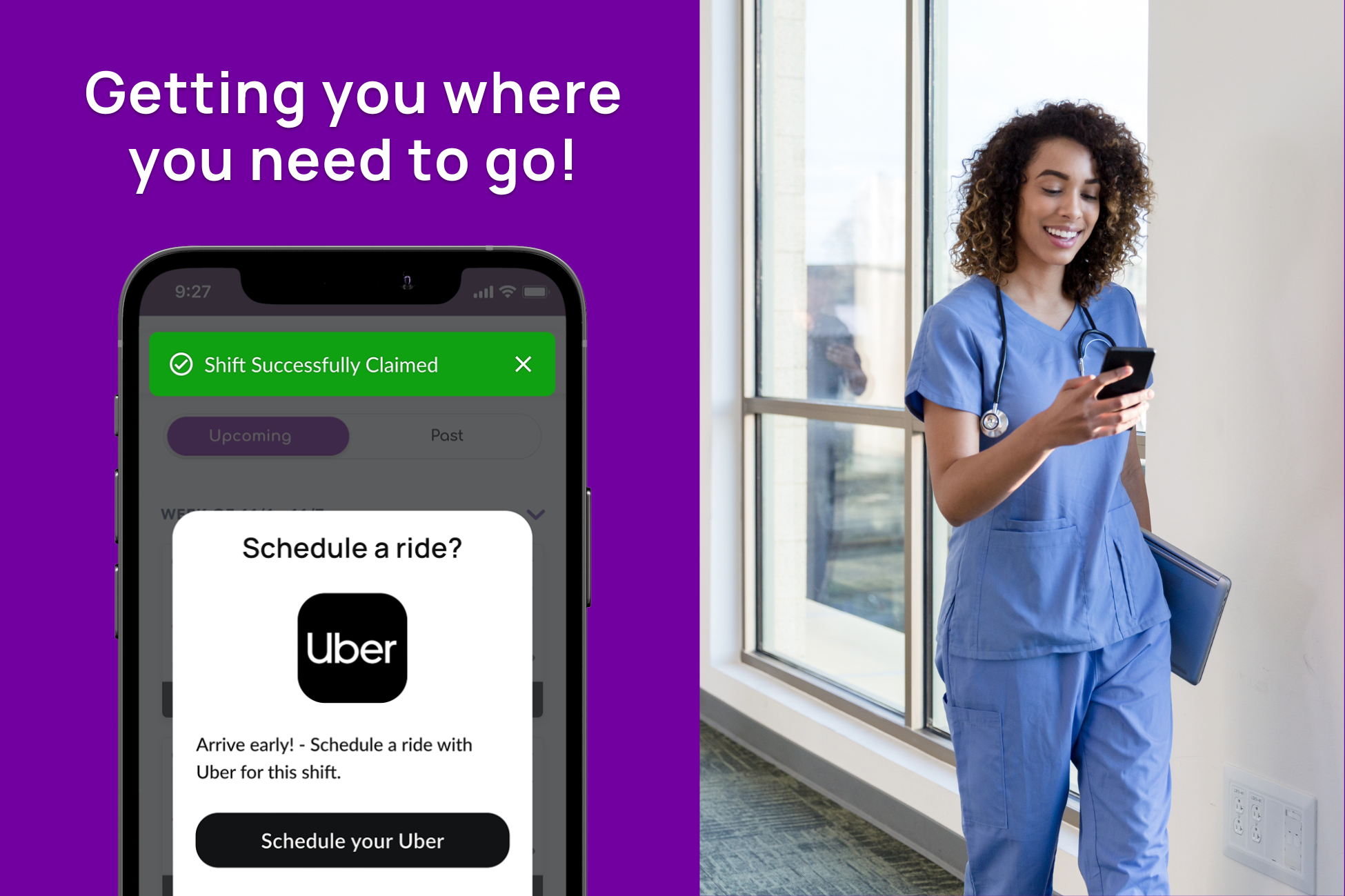
uber health is a non-emergency medical transportation platform designed for healthcare organizations. It allows hospitals, clinics, and insurance providers to schedule rides for patients who may not have access to reliable transportation.
Unlike the standard Uber app, patients don’t need a smartphone or even an account. Healthcare providers can book rides on their behalf, making it incredibly accessible for elderly or non-tech-savvy individuals.
In simple terms, it’s healthcare meeting technology in a way that solves a real-world problem—getting patients to care on time.
Why Transportation Matters in Healthcare
Transportation is often overlooked, but it plays a critical role in patient outcomes. Missing a medical appointment can delay treatment, worsen health conditions, and increase overall healthcare costs.
Key Challenges Patients Face
- Lack of personal vehicles
- Limited public transport options
- Mobility issues
- Financial constraints
- Scheduling conflicts
Even a simple doctor’s visit can become stressful if transportation isn’t available. That’s why solutions like uber health are becoming essential in modern healthcare systems.
How Uber Health Works
The system is designed to be simple yet effective. Healthcare organizations use a web-based dashboard to schedule rides for patients.
Step-by-Step Process
- A healthcare provider logs into the platform
- They enter the patient’s pickup and drop-off details
- A ride is scheduled instantly or in advance
- The patient receives ride details via SMS or call
- The driver arrives and completes the trip
No app download is required for the patient, which makes uber health incredibly inclusive.
Key Features of Uber Health
The platform offers a range of features tailored specifically for healthcare needs.
1. Centralized Booking
Healthcare staff can schedule and manage rides from one dashboard.
2. No Smartphone Required
Patients can receive ride updates through text messages.
3. HIPAA-Enabled Platform
The system is designed to protect patient data and privacy.
4. Flexible Ride Options
Includes standard cars, wheelchair-accessible vehicles, and more.
5. Real-Time Tracking
Providers can track rides to ensure patients reach safely.
These features make uber health a reliable solution for both providers and patients.
Benefits for Patients
Patients are the biggest beneficiaries of this service.
Improved Access to Care
Patients can attend appointments regularly without worrying about transportation.
Reduced Stress
No need to arrange rides or depend on family members.
Increased Independence
Especially helpful for seniors and individuals with disabilities.
Better Health Outcomes
Regular visits lead to timely diagnosis and treatment.
By removing transportation barriers, uber health ensures patients stay connected to their care providers.
Benefits for Healthcare Providers
Healthcare organizations also gain significant advantages.
Reduced No-Show Rates
Missed appointments cost the healthcare industry billions annually. Reliable rides help reduce this issue.
Better Patient Satisfaction
Patients appreciate the convenience, leading to improved trust and loyalty.
Operational Efficiency
Staff can easily manage transportation without complex logistics.
Cost Savings
Preventing missed appointments reduces long-term healthcare expenses.
With these advantages, uber health becomes a strategic asset for healthcare providers.
Real-World Use Cases

The service is being used across various healthcare scenarios.
Hospitals
Helping patients attend follow-up visits after discharge.
Clinics
Ensuring patients arrive for routine check-ups.
Insurance Companies
Offering transportation as part of health plans.
Rehabilitation Centers
Supporting patients who need frequent therapy sessions.
In all these cases, uber health acts as a bridge between patients and essential medical services.
Comparison Table: Traditional vs Uber Health Transportation
| Feature | Traditional Transport | Uber Health |
|---|---|---|
| Booking Method | Phone calls/manual | Online dashboard |
| Patient App Required | Sometimes | No |
| Real-Time Tracking | Limited | Yes |
| Accessibility Options | Limited | Multiple |
| Cost Transparency | Low | High |
| Scheduling Flexibility | Moderate | High |
This comparison clearly shows how uber health improves efficiency and convenience.
Cost and Pricing
One of the most common questions is about cost.
Healthcare organizations typically pay for the rides, not the patients. This makes it easier for patients to access care without financial burden.
Pricing depends on:
- Distance traveled
- Type of vehicle
- Location
- Time of booking
Compared to traditional medical transport, uber health is often more affordable and scalable.
Technology Behind Uber Health
The platform leverages advanced technology to deliver seamless service.
Cloud-Based Dashboard
Allows providers to manage rides efficiently.
Data Analytics
Helps organizations track usage and optimize transportation.
Integration Capabilities
Can integrate with healthcare management systems.
AI Optimization
Improves route planning and reduces wait times.
These innovations make uber health more than just a ride service—it’s a smart healthcare solution.
Challenges and Limitations
While the service offers many benefits, it also has some limitations.
Availability
Not all regions have full coverage yet.
Internet Dependency
Providers need internet access to schedule rides.
Special Needs Transport
Not all vehicles are equipped for complex medical requirements.
Awareness
Many patients and providers are still unaware of the service.
Despite these challenges, uber health continues to expand and improve.
Future of Healthcare Transportation

The future looks promising as technology continues to evolve.
Integration with Telehealth
Combining virtual care with physical transportation.
Expansion to Rural Areas
Improving access in underserved regions.
Enhanced Accessibility
More vehicles for patients with special needs.
AI and Predictive Scheduling
Automatically scheduling rides based on patient needs.
As healthcare systems become more patient-centric, solutions like uber health will play a vital role.
What is Uber Health?
It is a transportation platform designed for healthcare providers to book rides for patients without requiring them to use a smartphone.Who can use it?
Hospitals, clinics, insurance companies, and other healthcare organizations.Why is it important?
It reduces missed appointments and improves access to healthcare services.
FAQs
1. Is Uber Health available for individual users?
No, it is designed for healthcare organizations to book rides for patients.
2. Do patients need a smartphone?
No, patients can receive ride details via SMS or calls.
3. Is it safe for elderly patients?
Yes, it provides reliable and trackable rides, ensuring safety and comfort.
4. How is it different from regular Uber rides?
It is specifically designed for medical transportation and managed by healthcare providers.
5. Can it handle emergency situations?
No, it is only for non-emergency transportation.
Conclusion
Healthcare is evolving beyond hospital walls, and accessibility is becoming just as important as treatment itself. Transportation barriers have long been a silent challenge, preventing patients from receiving timely care. With innovative solutions like uber health, the gap between patients and healthcare providers is rapidly closing.
By offering reliable, affordable, and easy-to-use transportation, this platform is transforming how people access medical services. It not only benefits patients but also helps healthcare organizations improve efficiency and outcomes.
As technology continues to advance, we can expect even more integration between healthcare and transportation systems. And in that future, services like uber health will likely become a standard part of patient care—ensuring that no one misses the care they need simply because they couldn’t get there.

