Tanzania safaris stand as the gold standard for African wildlife adventures, combining breathtaking natural beauty with extraordinary animal encounters that captivate the soul. This magnificent country offers travelers a rare opportunity to step back in time to when nature ruled supreme, where predators hunt freely, massive herds migrate across endless plains, and ancient ecosystems pulse with life unchanged for countless generations. Whether you’re a first-time visitor to Africa or a seasoned safari enthusiast, Tanzania safaris promise experiences that resonate deeply, challenge perceptions, and create connections with the natural world that last a lifetime.
What Elevates Tanzania Safaris Above All Others
Tanzania safaris have secured their position as the premier wildlife destination through an extraordinary combination of factors that few places on Earth can match. The country’s unwavering commitment to conservation has resulted in protecting nearly half of its total landmass, creating an interconnected web of national parks, conservation areas, game reserves, and protected forests that function as complete, thriving ecosystems. This visionary approach ensures that wildlife populations remain robust, natural behaviors continue uninterrupted, and the wilderness retains its authentic character.
The geographical vastness that defines Tanzania safaris cannot be overstated. Unlike many safari destinations where wildlife areas are fragmented by development or confined to smaller reserves, Tanzania offers seemingly limitless horizons where you can travel for days through pristine wilderness without encountering roads, fences, or settlements. This scale creates genuine adventure—the sense of venturing into unknown territories where surprises await around every corner and each game drive feels like a true exploration.
Tanzania’s ecological richness adds another dimension to safari experiences. The country encompasses virtually every African ecosystem imaginable—from the snow-capped peaks of Mount Kilimanjaro to steamy coastal mangroves, from volcanic highlands shrouded in mist to sun-baked semi-deserts, from permanent river systems lined with fever trees to seasonal wetlands that transform with the rains. Each habitat supports unique wildlife assemblages, meaning a single Tanzania safaris itinerary can reveal incredible biodiversity across dramatically different environments.
The sophistication of Tanzania’s safari industry ensures that exceptional experiences are accessible to all. Over decades of evolution, the country has developed world-class tourism infrastructure including highly trained guides certified through rigorous programs, diverse accommodation options ranging from intimate bush camps to luxurious lodges, reliable domestic air networks connecting remote destinations, and professional operators adhering to strict ethical standards. This maturity means Tanzania safaris can accommodate every preference, budget, and travel style while maintaining consistently high quality and authentic wilderness encounters.
The Crown Jewels of Tanzania Safaris
Serengeti National Park: Nature’s Most Spectacular Stage
The Serengeti dominates Tanzania safaris itineraries as Africa’s most iconic wildlife sanctuary, and with excellent reason. This vast wilderness encompasses 14,750 square kilometers of protected landscape within Tanzania alone, though the greater ecosystem spans approximately 30,000 square kilometers when including adjacent protected areas. The park’s name, derived from the Maasai word meaning “endless plains,” perfectly captures the essence of this landscape where horizons extend infinitely and the sky seems to merge with earth in distant shimmers.
The Great Migration stands as the Serengeti’s most celebrated phenomenon—a circular journey involving over 1.5 million wildebeest, 250,000 zebras, and hundreds of thousands of gazelles moving continuously through the ecosystem following seasonal rains and fresh grass. This ancient rhythm creates one of nature’s most spectacular displays, with dramatic river crossings, massive birthing events, and constant predator-prey interactions providing endless drama. Yet the migration represents only one facet of the Serengeti’s magnificence.
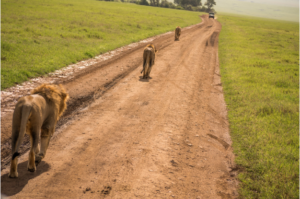
Resident wildlife populations in the Serengeti rival many entire countries’ total wildlife holdings. The park supports approximately 3,000 lions organized into prides that have held territories for generations, making it the world’s stronghold for these apex predators. Over 1,000 leopards prowl the riverine forests and rocky kopjes, while cheetah populations exploit open plains for high-speed pursuits. Spotted hyena clans numbering in the thousands demonstrate complex social structures. Buffalo herds thunder across grasslands, elephant bulls wander through woodlands, and giraffes browse acacia canopies against endless blue skies.
The Serengeti’s diverse regions create varied Tanzania safaris experiences within a single park. Southern plains stretch endlessly, providing unobstructed views perfect for predator watching and hosting the January-March calving season when approximately 500,000 wildebeest calves are born in concentrated weeks, triggering frenzied predation. Central Seronera combines kopjes, woodlands, and rivers creating year-round wildlife hot spots. Western corridors feature the Grumeti River where June-July crossings pit migrating herds against Nile crocodiles. Northern regions showcase rolling hills, the Mara River’s dramatic August-October crossings, and exclusive territory with fewer tourists.
Ngorongoro Conservation Area: The Natural Wonder
Ngorongoro Crater represents one of Earth’s most extraordinary geological and ecological features, making it absolutely indispensable on Tanzania safaris itineraries. Created approximately three million years ago when a colossal volcano collapsed inward after a catastrophic eruption, the crater forms the world’s largest intact caldera. Rising walls that reach 600 meters high encircle the crater floor spanning 260 square kilometers, creating a natural enclosure functioning as a complete ecosystem in miniature.
The wildlife concentrations within Ngorongoro astound even experienced safari-goers. Between 25,000 and 30,000 large mammals reside permanently within the crater, unable or unwilling to scale the steep walls. This captive population creates densities unmatched anywhere else in Africa. Lions maintain territories passed through matrilineal lines, with some prides documented across multiple decades. Spotted hyenas form powerful clans that dominate nighttime hunting. Black rhinoceros, among Earth’s most critically endangered large mammals, find sanctuary here under intensive protection—approximately 30 to 40 individuals represent one of the species’ most important remaining populations.
The crater floor’s habitat diversity compresses multiple ecosystems into compact space. Open grasslands support zebra and wildebeest herds alongside Thomson’s and Grant’s gazelles. Acacia woodlands provide browse for elephants and buffaloes. Freshwater springs create marshes where hippos wallow and waterbirds congregate. The alkaline Lake Magadi hosts flamingo flocks that paint shorelines pink. This diversity means Tanzania safaris to Ngorongoro regularly produce Big Five sightings within single mornings—an achievement difficult to replicate elsewhere.
Beyond the famous crater, the conservation area encompasses remarkable diversity. The Crater Highlands support montane forests harboring rare species. Empakaai Crater contains a deep turquoise lake ringed by steep walls. Olduvai Gorge has yielded some of humanity’s most significant ancestral fossils, adding paleoanthropological wonder to natural splendor. Traditional Maasai pastoral communities maintain cultural traditions within conservation boundaries, demonstrating complex relationships between humans and wildlife.
Tarangire National Park: The Elephant Haven
Tarangire National Park deserves recognition as one of Tanzania safaris’ best-kept secrets. This 2,850-square-kilometer wilderness transforms dramatically with seasons, but during the June-October dry season, it becomes one of Africa’s premier wildlife destinations. The Tarangire River, flowing year-round through the park’s heart, becomes a critical lifeline when surrounding areas desiccate completely, attracting wildlife from territories spanning tens of thousands of square kilometers.
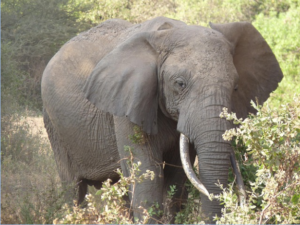
Elephant viewing in Tarangire achieves legendary status during peak dry months. Herds numbering in the hundreds converge on riverside pools and springs, creating scenes of these magnificent creatures against backdrops of ancient baobab trees. The park hosts many impressive bulls carrying substantial ivory—individuals that have learned Tarangire offers relative safety. Observing elephant social dynamics provides endless fascination—matriarchs leading multigenerational families, youngsters playing under watchful eyes, elaborate greeting ceremonies when groups reunite, and complex vocalizations that include infrasound communications traveling for kilometers.
Tarangire’s landscape distinguishes it dramatically from typical African savanna. Giant baobabs dominate the scenery with their surreal proportions—enormously swollen trunks storing thousands of liters of water and twisted branches resembling inverted root systems. These trees can live over 1,000 years, serving as silent witnesses to countless wildlife generations while providing critical resources. During different seasons, baobabs offer flowers for pollinators, leaves for browsers, and fruit for numerous species. Their hollow trunks shelter bats, birds, and small mammals.
Beyond elephants, Tarangire supports diverse predator populations including lions, leopards haunting dense thickets, and occasional African wild dogs passing through. Herbivore diversity includes rare species adapted to arid conditions—fringe-eared oryx with their rapier horns, gerenuk standing bipedally to browse high vegetation, and lesser kudu. Birdlife explodes with over 550 recorded species making Tarangire exceptional for ornithologists alongside general wildlife watchers.
Lake Manyara National Park: Diversity Compressed
Lake Manyara National Park proves that Tanzania safaris excellence doesn’t require vast scale. This compact park compresses extraordinary diversity into approximately 330 square kilometers, demonstrating nature’s ability to pack incredible variety into limited space. The alkaline lake itself dominates, covering two-thirds of the park during high water and supporting specialized organisms including algae that feed massive flamingo populations.
The park gained fame for tree-climbing lions—behavior rarely documented elsewhere that occurs regularly here. Researchers have proposed multiple theories including escaping ground-level insects, seeking cooler temperatures in branches, and gaining elevated hunting vantages, but the behavior remains incompletely understood. Regardless of motivation, witnessing lions lounging in acacia branches creates memorable Tanzania safaris moments.
Groundwater forests fed by escarpment springs create lush environments contrasting sharply with surrounding landscapes. These cathedral-like forests support elephants that appear ghostly moving through dappled light, buffalo seeking midday shade, and primate troops including baboons and blue monkeys. The habitat transitions rapidly from forest to woodland to grassland to lake shore, each supporting different species communities demonstrating ecological compression.
Southern Tanzania Safaris: The Final Frontier
While northern circuit parks attract most visitors, southern Tanzania safaris offer equally spectacular experiences with dramatically different character. Nyerere National Park encompasses approximately 30,000 square kilometers of wilderness dominated by the Rufiji River system. This waterway creates opportunities unavailable in northern parks—boat safaris reveal hippos, crocodiles, and waterbirds from aquatic perspectives, while extensive walking safaris immerse visitors in wilderness largely untouched by mass tourism.
Ruaha National Park spans over 20,000 square kilometers of pristine wilderness supporting an estimated 12,000 elephants alongside significant predator populations including lions and one of East Africa’s most important African wild dog populations. The Great Ruaha River concentrates spectacular wildlife during dry months when it becomes the primary water source across vast territories.
Southern Tanzania safaris appeal particularly to experienced travelers seeking authenticity over accessibility, wilderness over infrastructure, and solitude over social safari circuits. These remote destinations demand additional travel time and logistics but reward visitors with frontier experiences and genuine discovery feelings increasingly rare in popular northern areas.
The Tanzania Safaris Experience Spectrum
Modern Tanzania safaris encompass remarkable activity diversity accommodating varied interests and abilities. Traditional game drives form the foundation, utilizing purpose-built vehicles with pop-up roofs providing panoramic viewing. Professional guides position vehicles optimally, interpret wildlife behaviors, share ecological knowledge, and ensure safety while respecting animals. Morning and evening drives capitalize on peak wildlife activity periods when temperatures moderate and animals emerge from midday rest.
Walking safaris revolutionize Tanzania safaris by engaging senses vehicles isolate. Accompanied by armed rangers and expert guides, small groups explore on foot, learning to read landscapes through animal tracks, identifying plants and their uses, understanding predator signs, and appreciating details invisible from vehicles. The vulnerability inherent in walking among dangerous megafauna heightens awareness, transforming even common sightings into thrilling encounters.
Night drives unveil nocturnal communities. Powerful spotlights illuminate eyeshine revealing leopards beginning hunts, servals stalking prey, civets prowling, genets navigating branches, and elusive species like aardvarks, porcupines, and honey badgers. The darkness transforms familiar territories into mysterious realms where sounds dominate—lions roaring, hyenas whooping, bushbabies calling, and countless creatures contributing to Africa’s nocturnal symphony.
Hot air balloon safaris provide ethereal perspectives. Pre-dawn launches lift passengers silently above awakening wilderness, floating peacefully over wildlife herds and landscapes. This serene experience offers unique photography opportunities, broader ecological understanding, and spiritual connections with nature. Most conclude with champagne breakfasts served beneath acacia trees.
Cultural encounters enrich Tanzania safaris through authentic interactions with indigenous communities, particularly Maasai peoples whose territories overlap wildlife areas. Village visits reveal traditional lifestyles, ceremonial customs, intricate beadwork, and the complex challenges of coexisting with dangerous wildlife while maintaining cultural identity.
Strategic Planning for Tanzania Safaris
Successful Tanzania safaris require thoughtful planning addressing multiple considerations. Most international visitors arrive through Kilimanjaro International Airport near Arusha for northern circuit access, or Julius Nyerere International Airport in Dar es Salaam for southern destinations and coastal connections.
Domestic flight networks efficiently connect parks, dramatically reducing travel time though imposing strict baggage restrictions—typically 15 kilograms in soft-sided bags. Road transfers between northern parks remain viable, offering landscape appreciation and wildlife spotting opportunities despite requiring several hours between destinations.
Accommodation diversity ensures Tanzania safaris suit every preference and budget. Ultra-luxury lodges provide five-star amenities including gourmet cuisine, spa treatments, infinity pools, and impeccable service while implementing sustainable practices. Mid-range lodges offer comfort and quality at accessible prices. Permanent tented camps blend authenticity with amenities. Mobile camps follow wildlife seasonally. Budget camping provides basic facilities with maximum wilderness immersion at minimal cost.
Health preparations deserve careful attention. Yellow fever vaccination becomes mandatory when arriving from endemic countries. Malaria prophylaxis is strongly recommended for all safari areas. Routine immunizations including hepatitis A and B, typhoid, and tetanus should be current. Comprehensive travel insurance covering medical evacuation is essential given remote locations where advanced medical facilities are hours away.
Packing strategically enhances comfort. Neutral-colored clothing in breathable fabrics works best. Layers accommodate dramatic temperature swings from cold pre-dawn drives to hot midday conditions. Essential items include quality sun protection, insect repellent, comfortable walking shoes, and camera equipment with telephoto lenses for wildlife photography.
Conclusion
Tanzania safaris transcend typical vacation experiences, offering transformative journeys into wilderness where natural laws govern and authentic encounters reveal nature’s complexity and beauty. These immersive adventures provide perspectives on survival, predation, cooperation, and ecological interconnections that modern life obscures. Witnessing wildlife in their natural element—predators hunting, herds migrating, families interacting—creates profound appreciation for conservation and generates passionate advocates for protecting Earth’s remaining wild places.
Tanzania’s success harmonizing conservation with tourism demonstrates that intact ecosystems generate sustainable economic value competing effectively with extractive alternatives. This model faces challenges including human-wildlife conflict, poaching, and climate change, but Tanzania’s trajectory offers hope for global conservation efforts.
Every Tanzania safaris experience unfolds uniquely based on weather, wildlife movements, and countless variables that make nature observation endlessly captivating. This unpredictability adds excitement rather than detriment, ensuring each visitor’s story remains uniquely theirs. The country’s diversity means multiple visits barely scratch available experiences across varied ecosystems, seasons, and activities.
For those seeking authentic engagement with wild Africa, Tanzania safaris deliver consistently exceptional experiences combining abundant wildlife, spectacular landscapes, professional infrastructure, and genuine wilderness. Tanzania’s wild heart beats powerfully, inviting exploration and promising transformative encounters that enrich lives immeasurably.
Key Takeaways
- Tanzania safaris access nearly 50% of the country protected for conservation, creating vast interconnected ecosystems supporting healthy wildlife populations
- The Serengeti hosts approximately 3,000 lions and facilitates Earth’s greatest terrestrial migration involving 1.5+ million wildebeest
- Ngorongoro Crater contains 25,000-30,000 large mammals within the world’s largest intact caldera with exceptional Big Five viewing
- Tarangire National Park provides extraordinary elephant encounters with hundreds congregating during June-October dry season
- Activity options extend beyond traditional game drives to walking safaris, night drives, balloon adventures, boat safaris, and cultural experiences
- Southern circuit parks offer equally spectacular wildlife with fewer tourists, more remote wilderness, and unique activities like boat safaris
- Seasonal variations create distinct experiences—dry season optimizes wildlife viewing, calving season delivers predation drama, wet season provides exclusivity
- Tourism revenue directly supports conservation through park fees, anti-poaching operations, community development, and sustainable employment
- Accommodation ranges from ultra-luxury lodges to authentic bush camping, all offering excellent wildlife access
- Professional guides, mature infrastructure, and ethical operators ensure consistently high-quality experiences across all budgets
Frequently Asked Questions
Why choose Tanzania safaris over other African destinations?
Tanzania safaris excel through unmatched wildlife abundance, vast wilderness scale, and exceptional ecological diversity. The country protects more land proportionally than most alternatives, enabling complete ecosystems to function naturally. The Serengeti hosts the world’s largest lion population and greatest wildlife migration. Ngorongoro offers unique crater ecology with extraordinary densities. Professional standards, diverse accommodations, and mature infrastructure ensure quality across budgets. While Kenya, Botswana, and South Africa offer excellent safaris, Tanzania’s combination of scale, diversity, abundance, and authentic wilderness creates unparalleled overall experiences.
What is the total cost for a week-long Tanzania safaris trip?
Tanzania safaris costs vary dramatically based on accommodation, season, and preferences. Budget camping safaris cost $1,400-2,100 per person weekly including basic camping, meals, and fees. Mid-range lodge safaris range $2,800-4,900 weekly with comfortable accommodations. Luxury safaris cost $5,600-11,200+ weekly with five-star properties. Ultra-luxury private experiences exceed $14,000+ weekly. Add international flights ($800-2,500), visas ($50-100), insurance ($150-400), tips ($210-350), and personal expenses. Peak season (June-October) adds 30-50% premiums. All-inclusive packages simplify budgeting by covering most expenses upfront.
When should I visit Tanzania safaris for optimal wildlife viewing?
Optimal timing depends on priorities. June-October dry season provides best general viewing as animals concentrate at water sources and vegetation thins, though prices peak and crowds increase. January-March delivers spectacular calving season with 500,000 wildebeest births triggering intense predation. June-July features Grumeti River crossings. August-October showcases dramatic Mara River crossings. November-December offers excellent value with good viewing and fewer tourists. April-May presents challenges but rewards adventurous travelers with dramatic light, lush scenery, extreme exclusivity, and lowest prices.
Can families with young children enjoy Tanzania safaris safely?
Tanzania safaris accommodate families excellently though policies vary by property. Many luxury lodges accept children 6+ years, while family-specialist camps welcome all ages with tailored programs. Private vehicles and accommodations maximize flexibility. Consider children’s attention spans for long drives, early departures, and remaining quiet near wildlife. Some properties offer family suites, child menus, shortened drives, and junior ranger programs. Walking safaris typically require 12-16+ years minimum. Research property policies thoroughly, communicate children’s ages and needs clearly, and select operators experienced with family safaris.
Is the Great Migration visible throughout the year on Tanzania safaris?
The Great Migration moves continuously through the Serengeti ecosystem following rainfall patterns, making it visible year-round but in different locations requiring strategic timing. January-March: southern plains calving season with newborns and predation. April-May: northwestern movement through rains. June-July: western Serengeti Grumeti crossings. August-October: northern Serengeti featuring most dramatic Mara River crossings. November-December: southward return migration. Exact timing varies weeks annually based on rainfall affecting vegetation. Flexible dates, multiple locations, or extended stays increase witnessing specific phenomena.
What essential items are necessary for Tanzania safaris?
Pack neutral-colored lightweight clothing (khaki, olive, tan) avoiding bright colors and camouflage. Bring layers for temperature variations from 8-14°C mornings to 28-35°C middays. Essentials include closed-toe shoes, wide-brimmed hat, polarized sunglasses, SPF 50+ sunscreen, and 30%+ DEET repellent. Camera gear should include 200-600mm telephoto lens, extra batteries, abundant memory cards, and beanbag stabilizer. Quality 8×42 or 10×42 binoculars enhance viewing. Most lodges provide laundry allowing lighter packing. Use soft-sided bags for domestic flights with 15kg limits. Add prescription medications, basic first-aid supplies, and copies of important documents.
Are professional guides necessary or can I self-drive Tanzania safaris?
Professional guides are strongly recommended and required in most parks. Self-driving faces challenges including poor roads, complex navigation, mandatory guide requirements, and critically, missing invaluable expertise. Professional guides possess encyclopedic wildlife knowledge, tracking skills, bird identification abilities, optimal location knowledge, and safety expertise accumulated through years of experience. They dramatically enhance sighting success, provide educational context, ensure safety around dangerous animals, and support conservation through employment. Most parks require registered guides. Self-driving might work for extremely experienced travelers with 4×4 skills, but professional guiding justifies costs through dramatically enhanced experiences.
How far ahead should I book Tanzania safaris?
Booking timelines depend on season and accommodation preferences. Book 10-15 months ahead for peak season (July-October) when premium properties fill earliest. Migration periods require 12-18 months for top accommodations during crossings and calving. Shoulder seasons (November-December, March-June) need 4-6 months for good selections. Last-minute bookings (1-3 months) occasionally work for low season or with flexibility but severely limit choices. Desirable lodges in prime locations like central Serengeti and Ngorongoro rim book furthest ahead. Budget camping remains available with shorter notice. Early booking ensures preferred properties, better pricing, coordinated logistics, and peace of mind for significant investments.

